
REbuilding Production for a Sustainable Future
What WE DO

Renewable Energy Source
Hydro electric power is a renewable energy source, harnessing the natural water cycle. As long as there is water flowing in rivers and streams, hydroelectric facilities can generate electricity, making it a sustainable option for the long term.
Low Operating Costs
Once a hydroelectric power plant is established, it typically requires lower operating costs compared to fossil fuel-based plants. The ongoing expenses related to fuel are virtually eliminated since water is free, resulting in more stable pricing and reduced vulnerability to market fluctuations.
Environmentally Friendly
Hydro power plants produce very low greenhouse gas emissions. While there are some environmental impacts associated with dam construction, modern technologies and practices aim to minimize disruptions to local ecosystems. Additionally, hydroelectric facilities contribute to a reduction in reliance on fossil fuels.
Flexibility and Peak Load Management
Hydropower plants are capable of quickly ramping up or down their output depending on demand. This flexibility allows them to effectively manage peak loads and balance the grid, making them essential components of modern energy systems.
Grid Stability
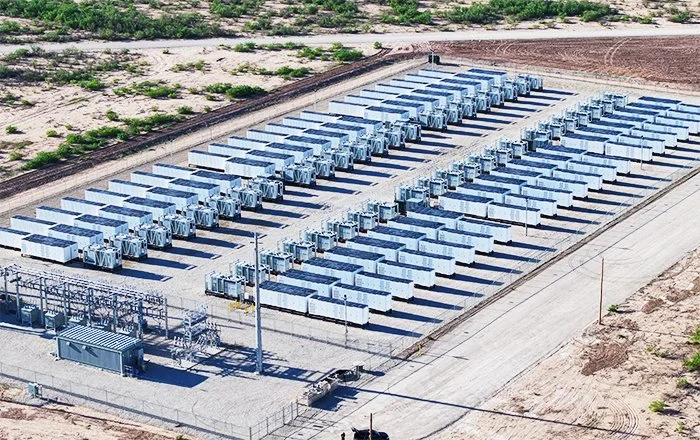
By managing supply and demand, battery storage facilities stabilize the demand curve on the grid. They can quickly deploy stored energy to counter imbalances, thereby reducing the risk of blackouts and improving overall grid resilience.
Economic Benefits
Battery storage allows for the utilization of lower-cost energy sources at night or during off-peak times, which can result in significant cost savings for consumers. Moreover, they enable users to participate in demand response programs, potentially providing financial incentives for reducing consumption during peak periods.
Integration of Renewable Energy
Battery storage plays a crucial role in the transition to renewable energy. By storing energy generated from intermittent sources like wind and solar, these facilities allow for a more reliable supply of clean energy, reducing reliance on fossil fuels and aiding in the achievement of sustainability goals.
Scalability and Versatility
Battery storage systems are highly scalable and can be tailored to meet specific needs. From large utility-scale installations to smaller, residential setups, they provide flexibility in deployment and can be integrated into various energy systems.
Renewable Energy Source
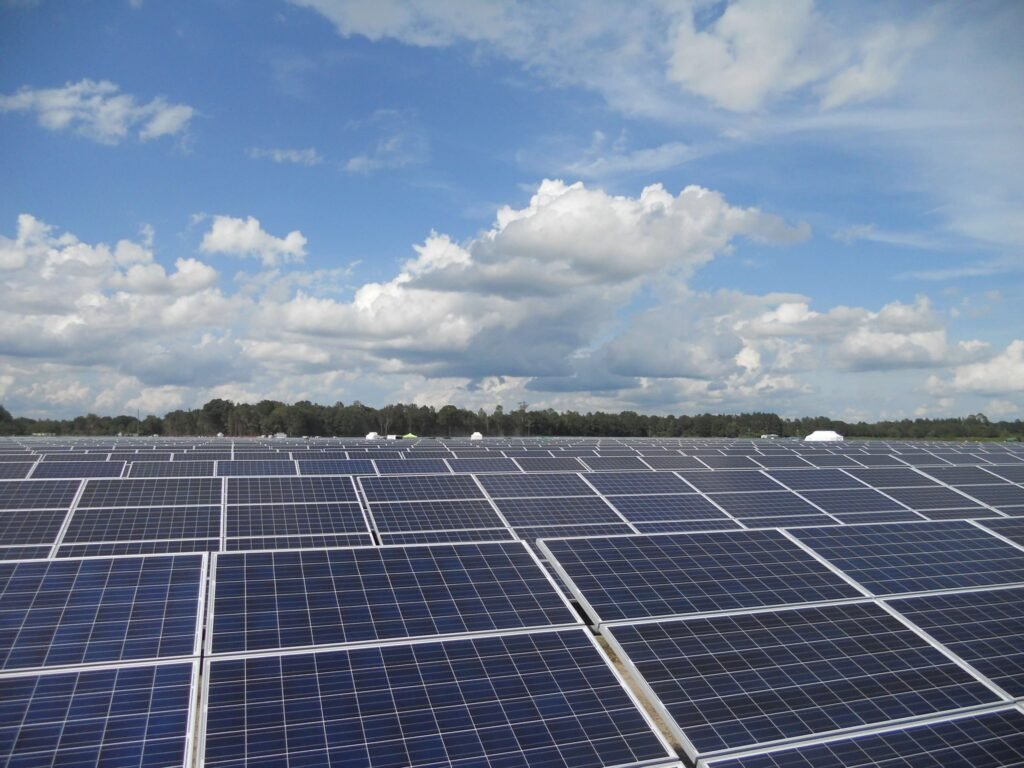
Solar power is a renewable energy source, meaning it is sustainable and abundant. As long as the sun shines, we can harness its energy without depleting natural resources.
Decreases Carbon Footprint
Solar energy production emits no greenhouse gases during operation. By switching to solar, individuals and businesses can contribute to a cleaner environment and mitigate climate change.
Low Maintenance Requirements
Once installed, solar energy systems require minimal maintenance. Regular cleaning and periodic checks are typically sufficient to ensure optimal performance.
Energy Independence
Using solar power can reduce dependency on fossil fuels and foreign energy sources. This independence enhances energy security and promotes local economies.
Technological Advancements
The solar industry is at the forefront of innovation, with continual improvements in efficiency, storage solutions, and overall system performance, making solar power more accessible and reliable than ever.
At the forefront of the energy revolution, we are redefining the sector with cutting-edge solutions that power communities sustainably. Our commitment to innovation drives us to challenge norms and set new standards for a brighter, cleaner future.

Contact Us
Interested in working together? Fill out some info and we will be in touch shortly. We can’t wait to hear from you!